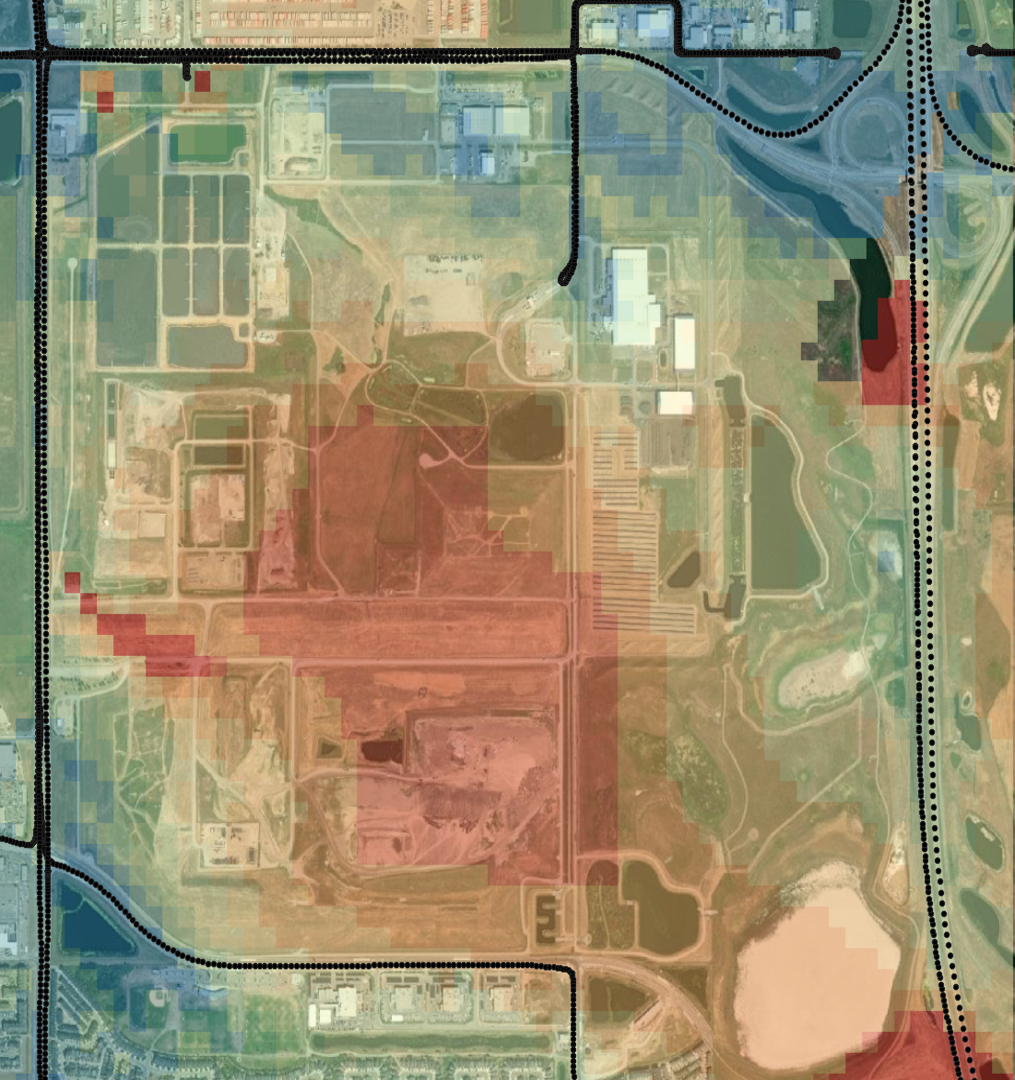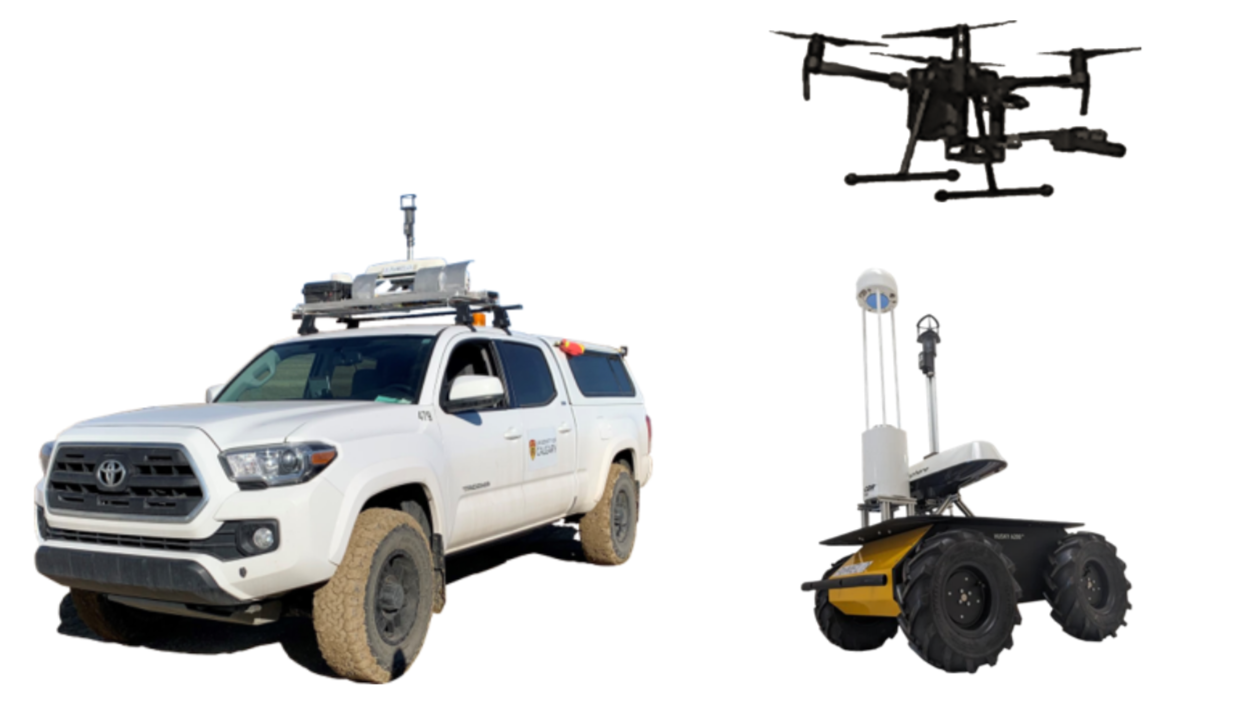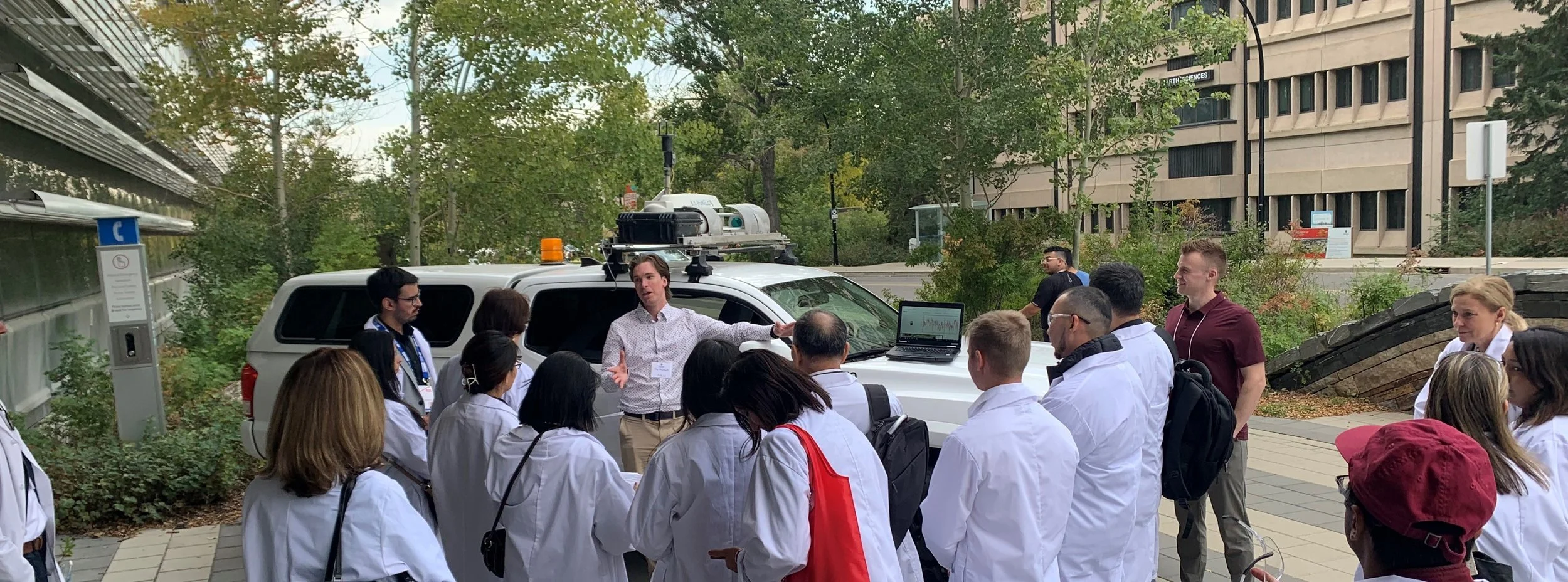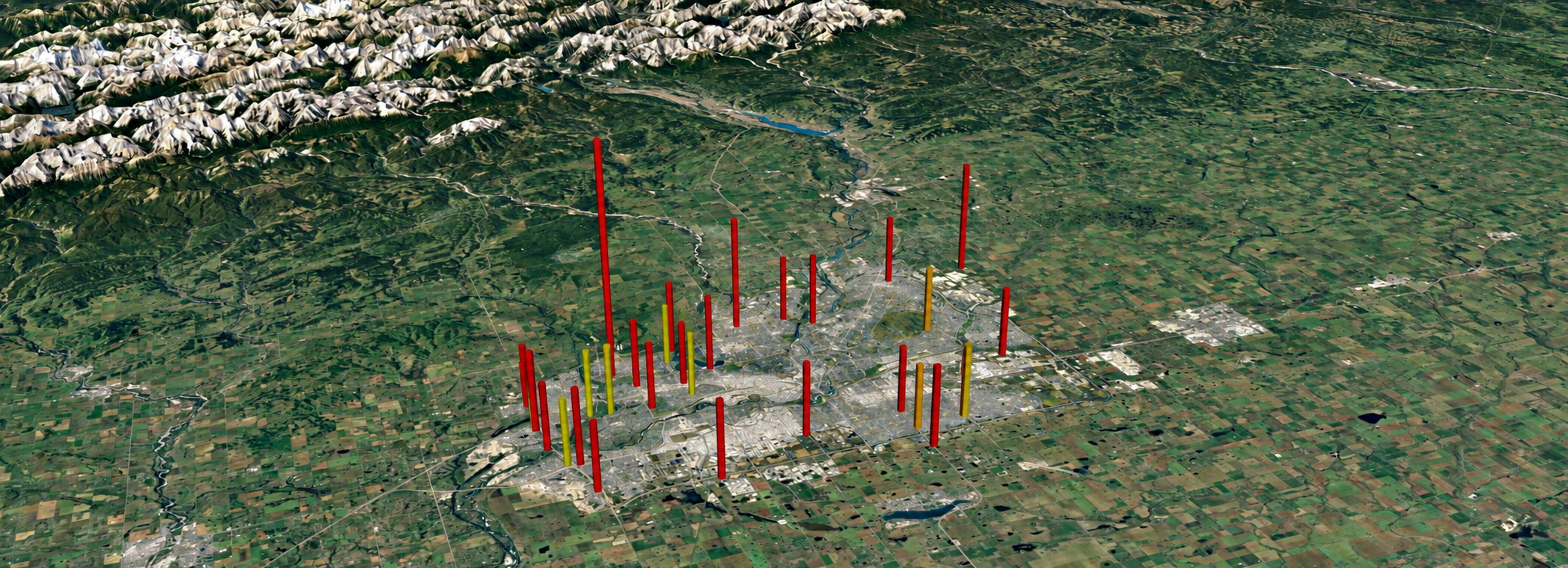
The Calgary Urban Methane Emissions Measurement Testbed (CURMET) is a University of Calgary research project led by the Senst-Lab. We use Calgary as a real-world testbed to study methane emissions using different measurement technologies, from ground sensors to satellites.
Why study urban methane?
Methane (CH₄) is a powerful greenhouse gas that contributes to climate change. Cities have many methane sources, including landfills, natural gas systems, and wastewater treatment plants. However, we still have gaps in our understanding of how much methane these sources release.
Our goal is to identify methane sources, improve urban methane inventories, and help cities determine where emission reductions could have the greatest impact.
Methane in cities can come from many sources
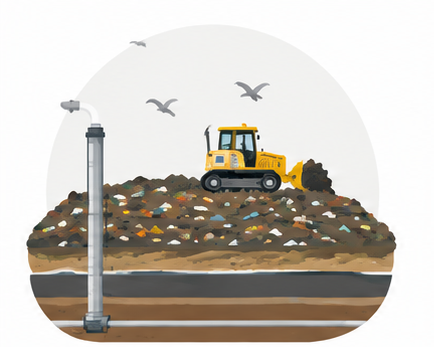
Landfills
Decomposing waste releases methane.
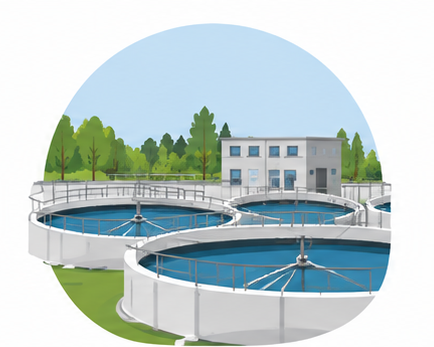
Wastewater systems
Wastewater treatment and sewer networks can emit methane.
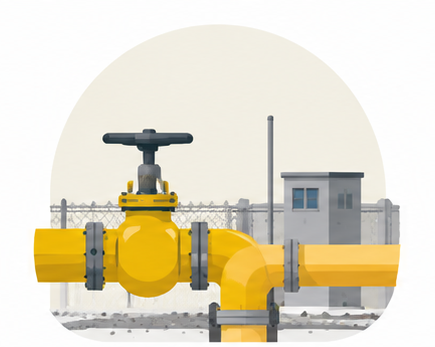
Natural gas infrastructure
Leaks from distribution pipelines and equipment can release methane.

Buildings
Natural gas used in buildings can emit methane.

Natural areas
Wetlands and other natural spaces can also be sources.
Four questions guide the research
By studying methane from different sources across Calgary, we aim to answer four questions that help us understand emissions and identify opportunities to reduce them.
WHAT?
What is emitting methane in Calgary?

WHERE?
Where are the emissions coming from?

HOW MUCH?
How much methane is being emitted?
WHAT CAN WE DO?
How can emissions be reduced?