How do we study methane emissions across a city?
Our research helps us understand where methane comes from, how much is released, and what can be done to reduce emissions across Calgary. We combine field measurements, technology, and data analysis to build a clearer picture of urban methane emissions and identify opportunities for action.
Find the methane across the city
01
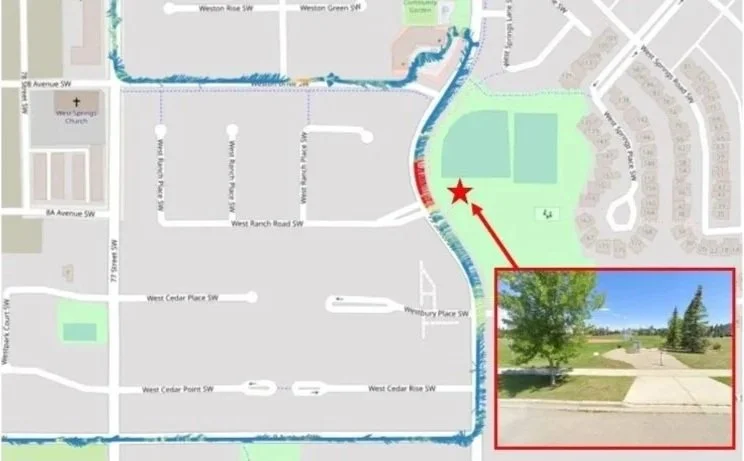
Vehicles, e-bikes, and other mobile platforms scan Calgary to identify areas with elevated methane concentrations.
Measure individual sources
02
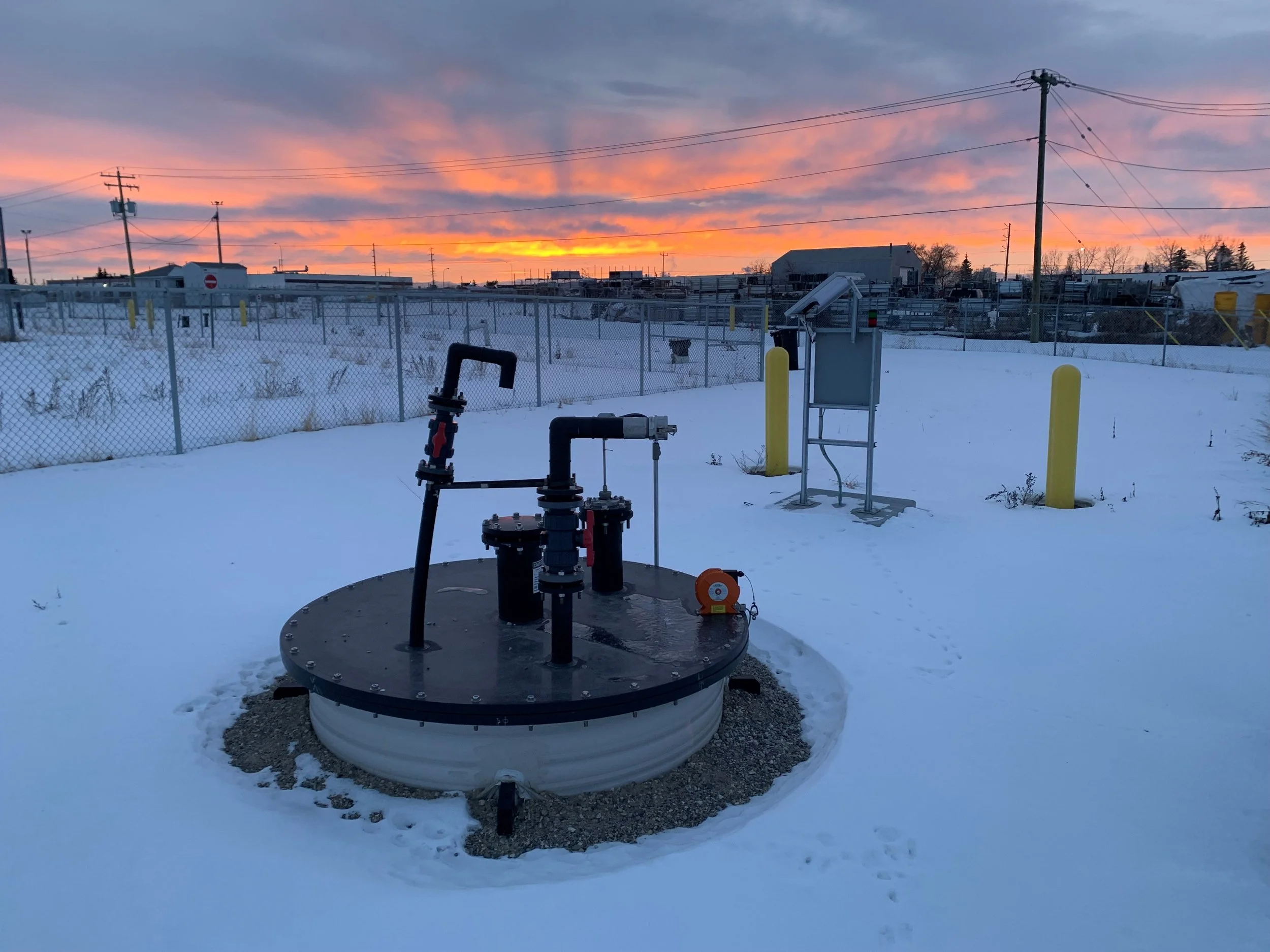
A closer look at individual sources using specialized instruments, chambers, and other technologies helps determine how much methane is being released.
Build the city-wide picture
03
Combining measurements from the ground, air, and satellites with computer models helps us understand where methane comes from and how much is emitted across Calgary.
Identify opportunities to reduce emissions
04
Research findings guide the evaluation of methane reduction options, including their potential impact, costs, and opportunities for implementation.

Calgary MAPLE Leaf: Building Our Methane Inventory
MAPLE Leaf stands for Methane Areal, Point & Line Emissions Local Estimation and Accounting Framework.
Measurements collected through CURMET feed into MAPLE Leaf, our methane emissions inventory for Calgary. This digital mapping tool brings together information about where methane comes from and how much is released across the city.
Methane sources include landfills, natural gas pipelines, wastewater treatment plants, furnaces, and even ponds on golf courses. MAPLE Leaf uses a bottom up approach: we estimate emissions from individual sources and add them together to estimate the city’s total.
These estimates draw on the best available information, including local field measurements and research from other cities where Calgary data are unavailable. Comparisons with independent estimates, such as those derived from satellites, help us assess the inventory and identify gaps.
We are developing the first version of MAPLE Leaf. As new measurements become available, we will update the inventory to improve estimates and help identify major sources and opportunities to reduce emissions.
Identifying Methane Sources Using Air Measurements
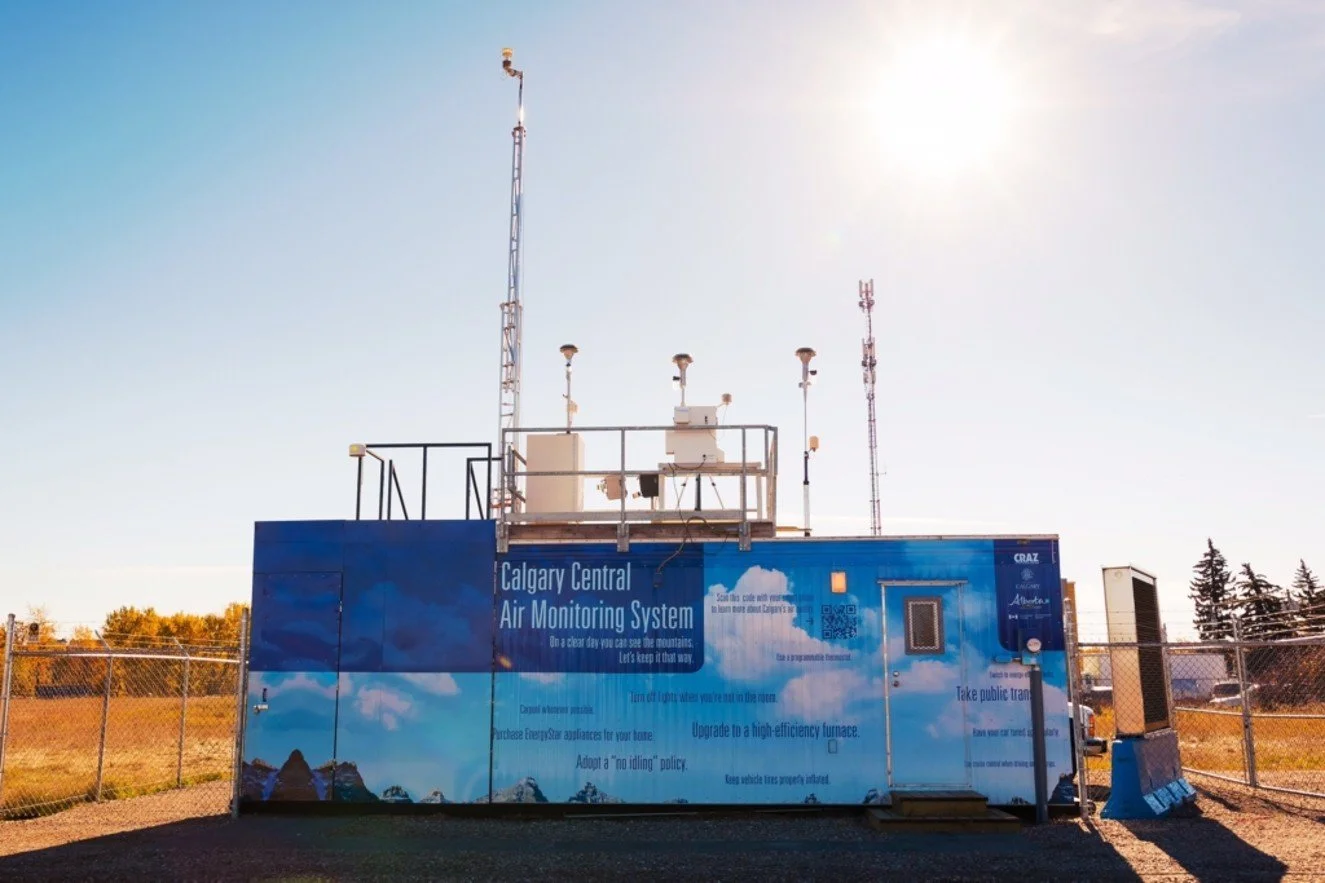
Methane comes from many different sources across Calgary. To better understand their contributions, CURMET researchers analyzed several years of air measurements collected at a monitoring station in central Calgary.
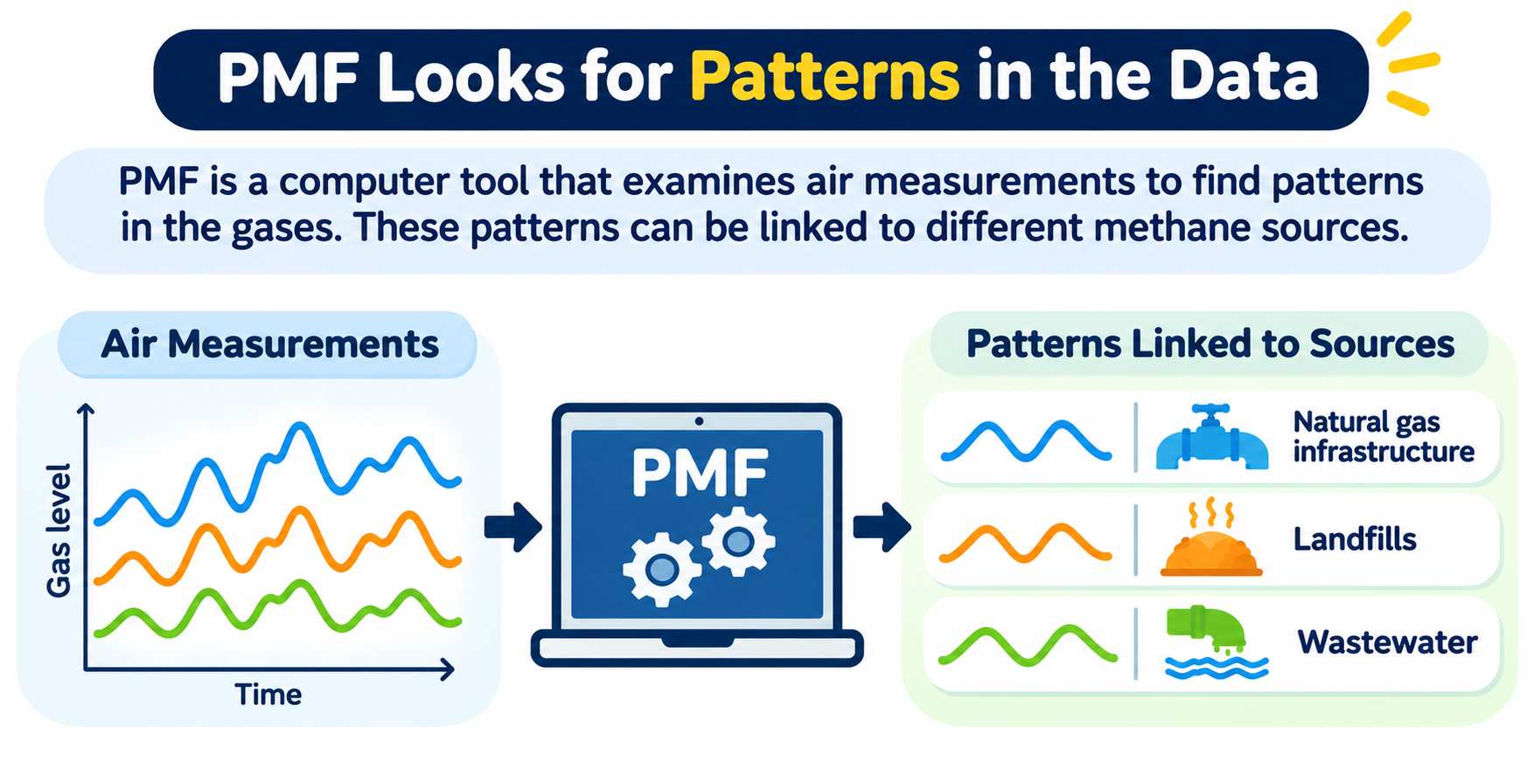
Using a method called Positive Matrix Factorization (PMF), researchers examined patterns in methane and other gases to estimate which types of sources were contributing to the methane measured in the air.
The study found that natural gas leaks and incomplete combustion were likely major contributors, particularly during winter when natural gas use for heating increases. Methane associated with waste and natural processes increased during warmer months.
These findings provide another way to understand Calgary's methane emissions. By comparing the results with estimates from inventories such as MAPLE Leaf, researchers can identify where estimates may need improvement and where additional measurements could be valuable.
Investigating Methane Sources Across Calgary
Explore each category to learn what we are studying, how we measure emissions, and what we are discovering.
LANDFILLS
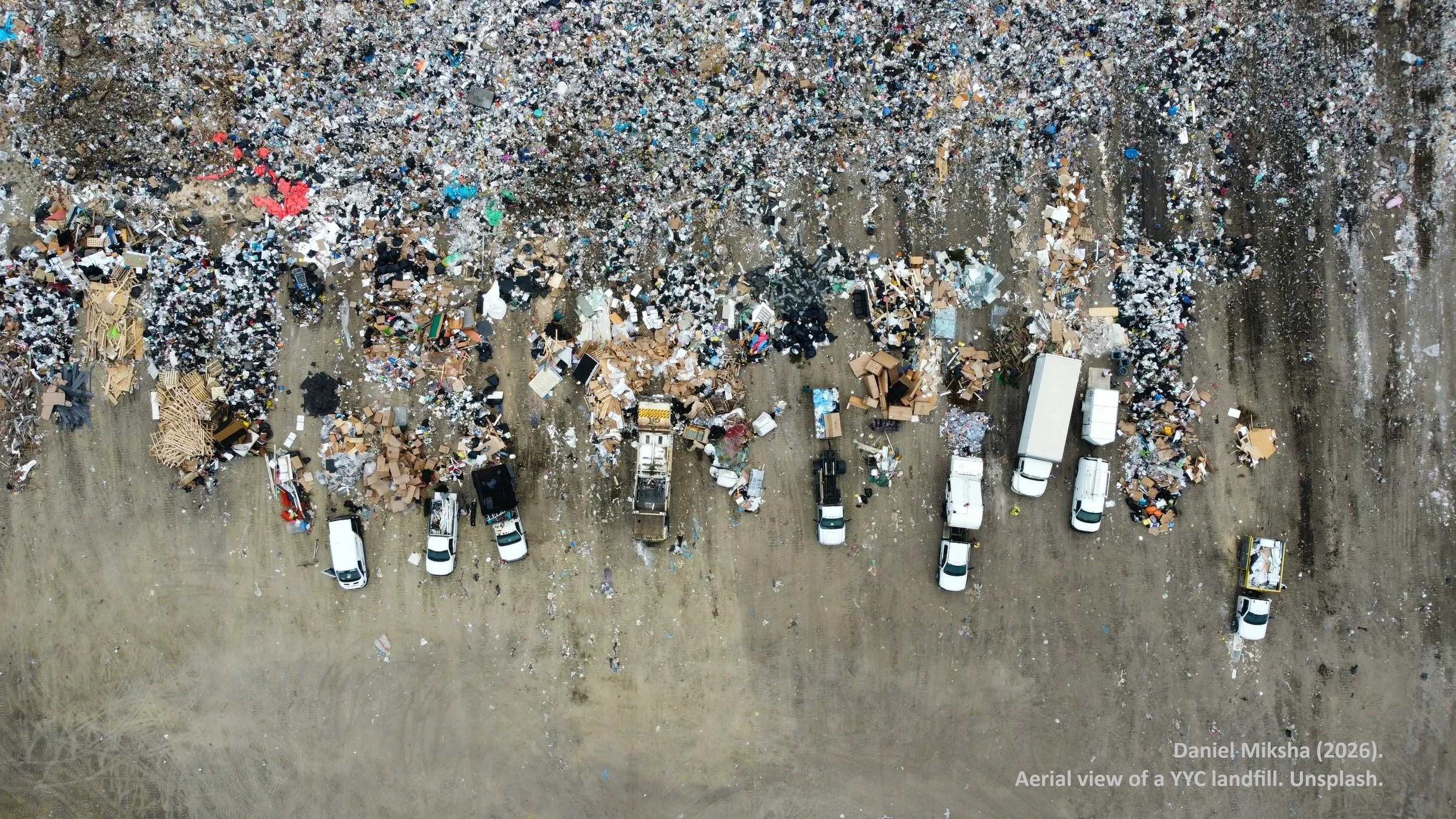
Closed and active landfill emissions, hotspots, surface measurements, and mitigation opportunities.
WASTEWATER TREATMENT
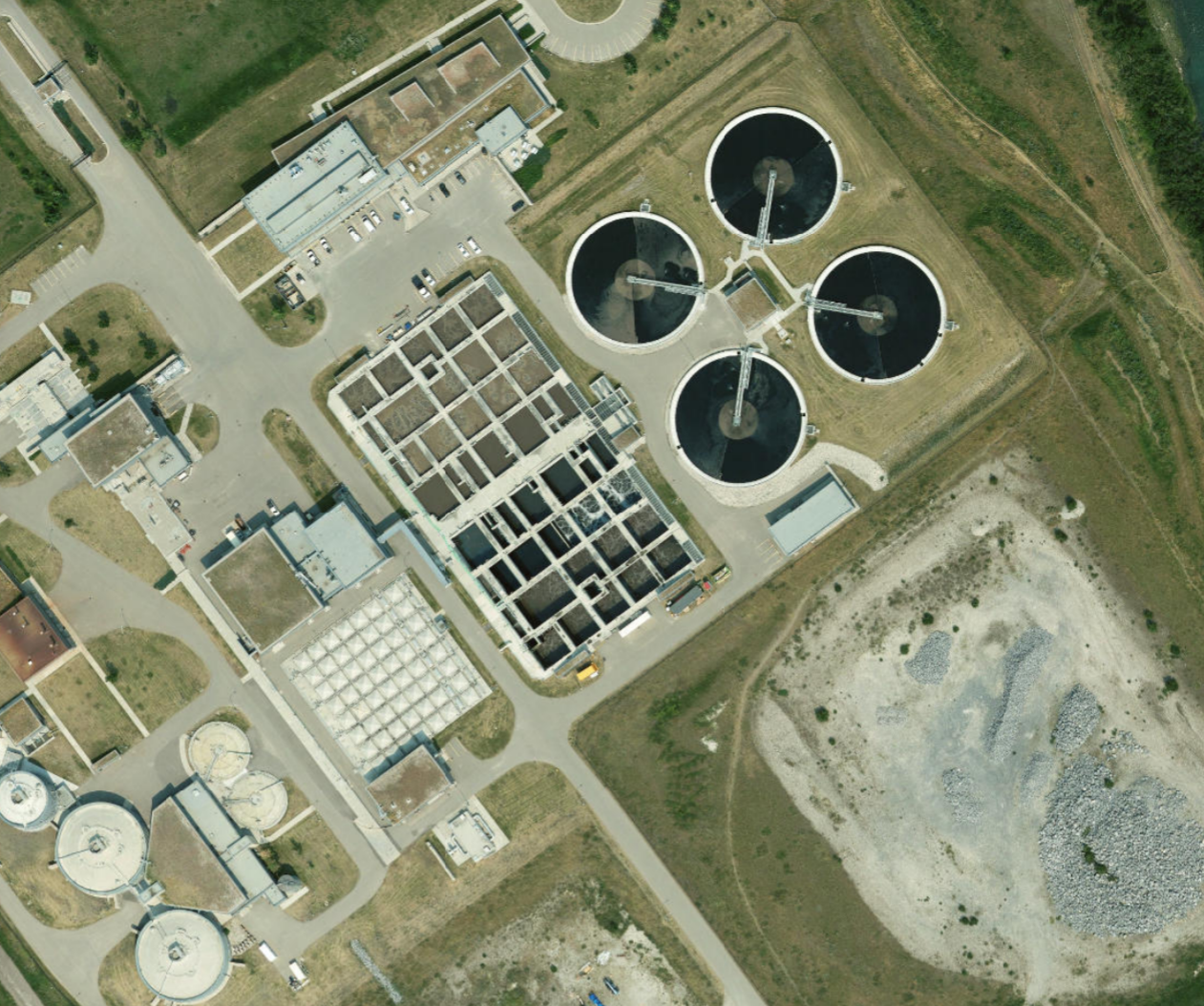
Methane from treatment processes, sewers, biosolids, and facility operations.
NATURAL GAS TRANSMISSION & DISTRIBUTION
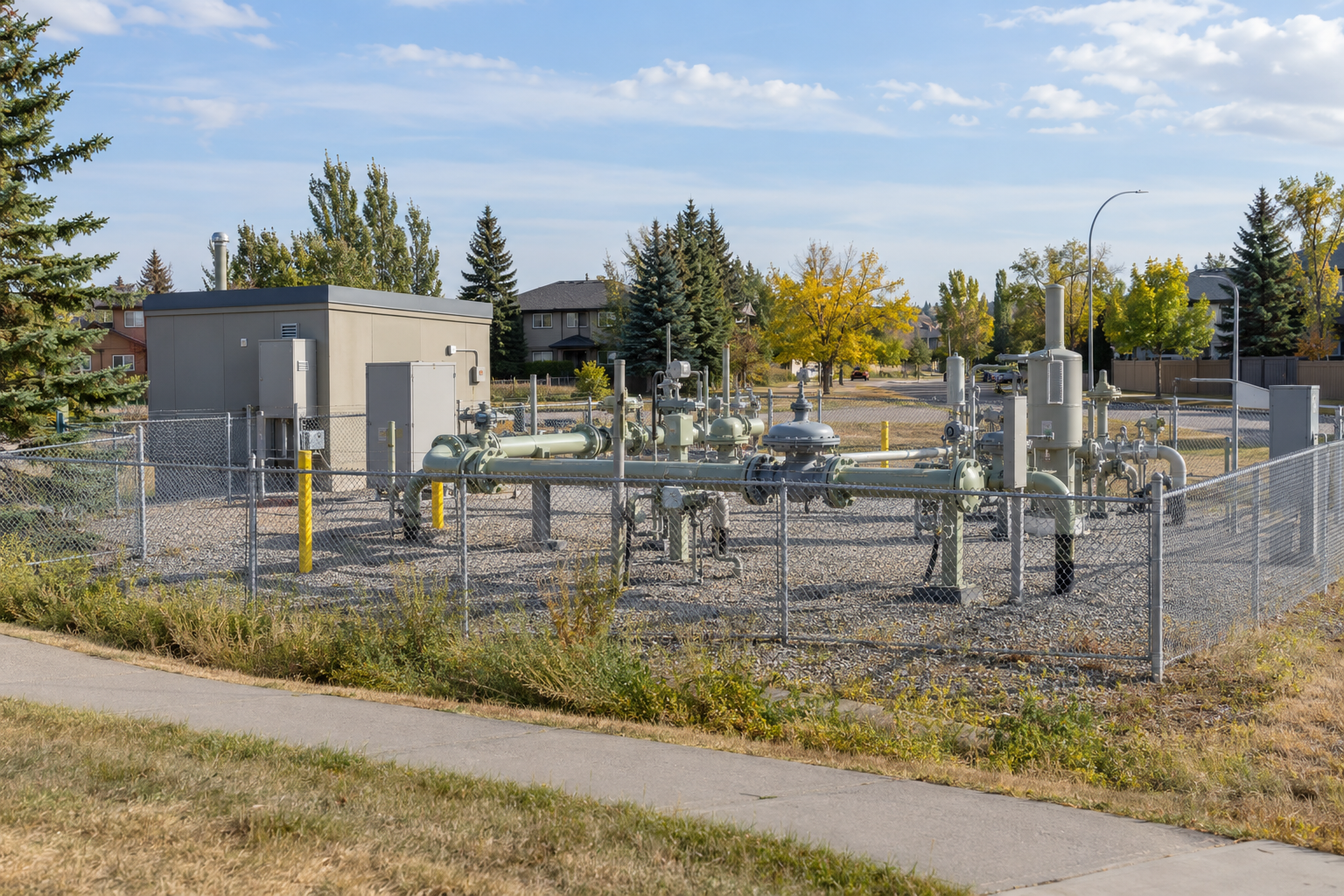
Meters, distribution infrastructure, stations, line heaters, and leaks.
BUILDINGS & EMERGING SOURCES

Residential and commercial sources plus emerging sources identified through city-scale surveys.