Vehicle-based methane measurement
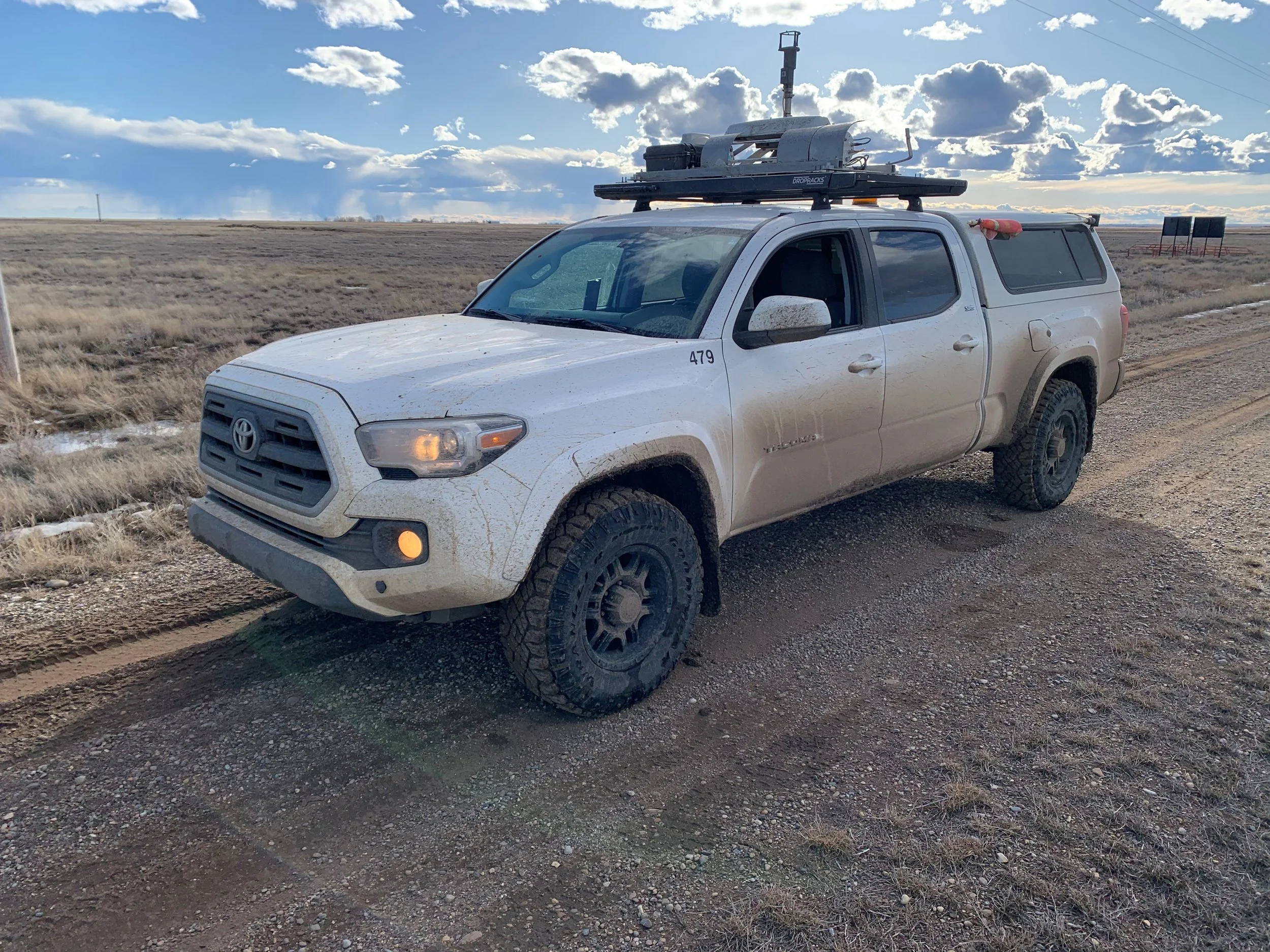
Developed by the SENST Lab at the University of Calgary, our vehicle-based methane sensing system has over ten years of proven experience detecting emissions in oil and gas operations and urban environments. Vehicle-mounted instruments can detect methane emissions from sites kilometres away. As wind moves across a site, it carries methane into the surrounding air, where our instruments detect small changes in methane concentrations. By combining these measurements with wind data and computer models, we can estimate how much methane a site releases using just a few seconds of data. This approach allows us to survey many sites efficiently, although identifying emission sources and accurately estimating their emissions remains a scientific challenge.
Electric-Bike
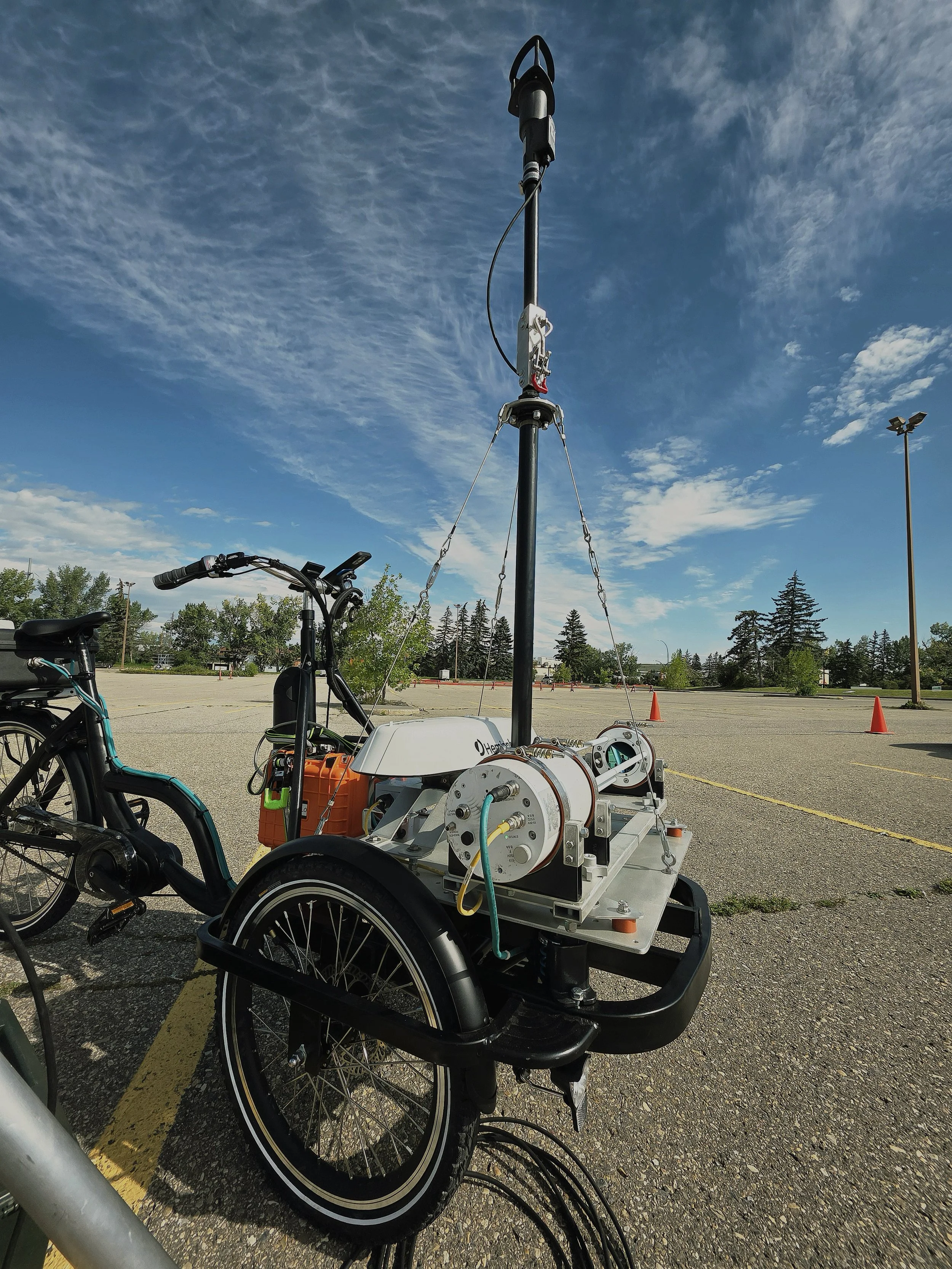
Developed by the SENST Lab at the University of Calgary, our electric bike (e-bike) methane sensing system allows researchers to measure emissions in areas that are difficult to access by vehicle. Equipped with a methane sensor, wind sensor, and precise GPS, the e-bike collects measurements ten times per second while travelling through city streets, pathways, and narrow spaces. By combining methane concentrations with wind direction and location data, researchers can better identify where emissions are coming from. This approach helps us detect and map methane from urban infrastructure, including wastewater systems, and improves our understanding of methane sources across Calgary.
Project Lead: Thomas Barchyn with supporting data from Simon Butt-Valleries
Publications:
In progress
Backpack sensor
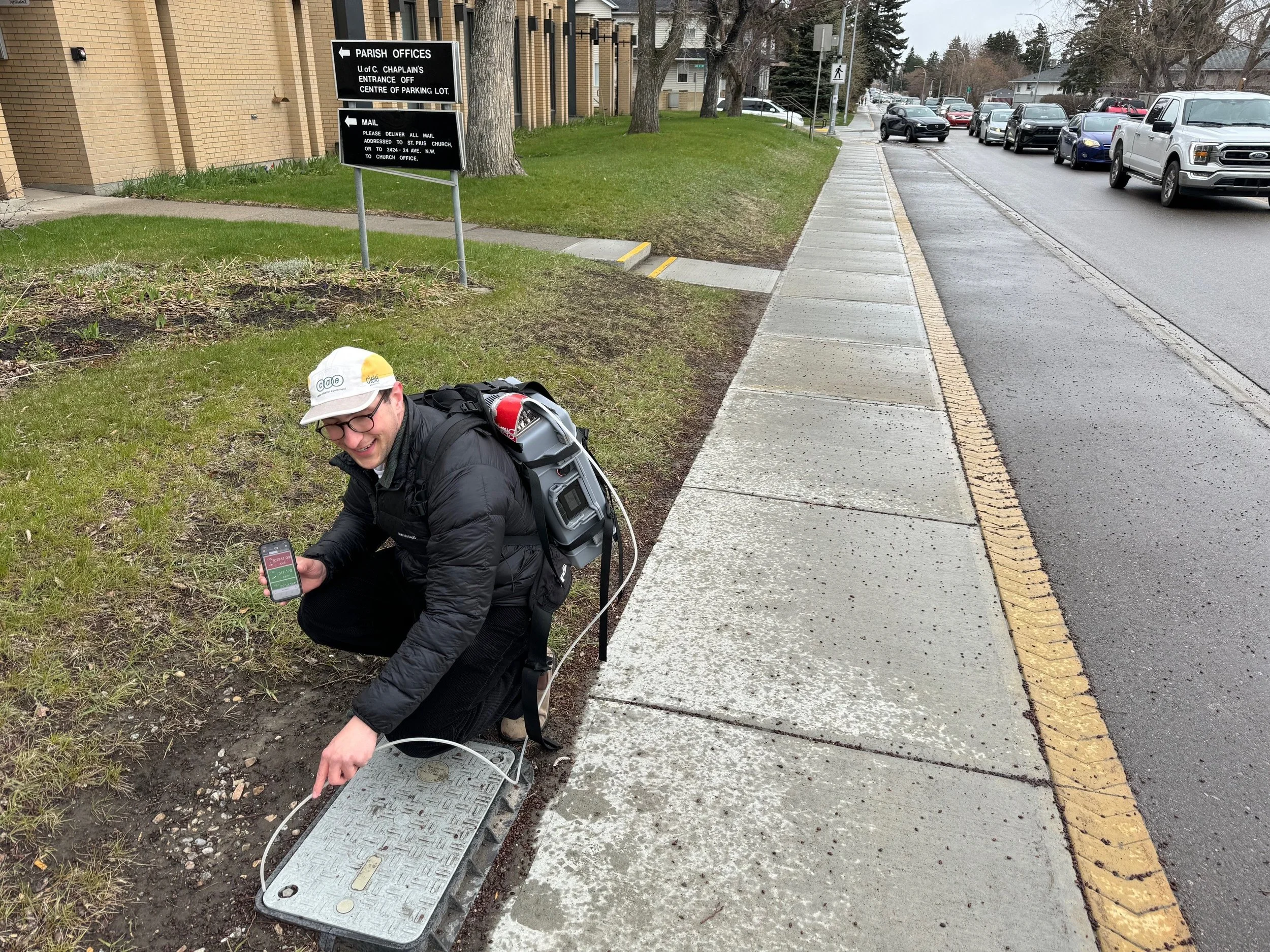
A backpack mounted LI-COR analyzer allows us to measure methane while walking through a site. Moving a sampling tube close to potential sources helps pinpoint where methane is escaping. We also use this setup to map methane concentrations across wastewater treatment plants and other sites.
Walking Pole Methane Measurements
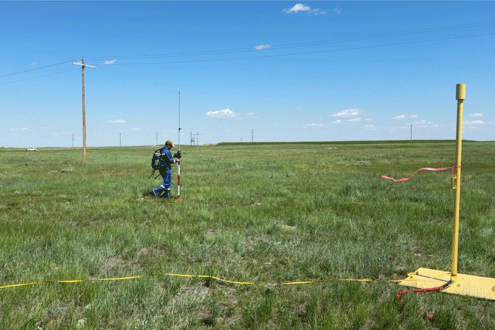
Developed by the SENST Lab at the University of Calgary, our walking pole system offers a simple and portable way to measure methane emissions. The system uses a telescoping pole connected to a methane sensor carried in a backpack. As researchers walk downwind of a source, they collect air samples at different heights to measure how methane spreads through the air. By combining these measurements with wind data and computer models, we can estimate how much methane a site releases.
The system can measure emissions from sources such as natural gas infrastructure, landfill gas equipment, and smaller wastewater facilities. Its ability to collect measurements close to a source makes it particularly useful for measuring smaller emissions that may be difficult to quantify using vehicles or drones.
For CURMET, this technology helps fill important measurement gaps by allowing us to quantify emissions from sources that might otherwise be overlooked. These measurements improve our understanding of Calgary's methane sources and contribute to more complete and accurate estimates in our citywide methane inventory, MAPLE Leaf.
Project lead: Coleman Vollrath
Publications
Vollrath CP, Barchyn TE, Munn A, Wearmouth C, Hugenholtz CH. 2026. A human-portable mass flux method for methane emissions quantification: controlled release testing performance evaluation. Atmospheric Measurement Techniques. 19:583–601. https://doi.org/10.5194/amt-19-583-2026