Landfills
Environment and Climate Change Canada estimates that municipal solid waste landfills are responsible for approximately 23% of Canada’s methane emissions, making them an important source for methane measurement and mitigation.
Our research initially focused on active landfills. Where direct site access was unavailable, methane measurements were collected along landfill perimeters using vehicle mounted sensor technologies to identify and characterize emissions.
Our measurements have also identified unexpected methane emissions from closed landfills, leading us to expand our research in this area. Closed landfills are of particular interest because older sites may continue to emit methane long after waste disposal has ended, yet many are not captured by current federal landfill methane reporting requirements.
We are now investigating how methane emissions from closed landfills vary across space and time, and what these emissions may mean for urban methane inventories, monitoring, and mitigation.
Closed Landfills
Case study: Blackfoot Landfill
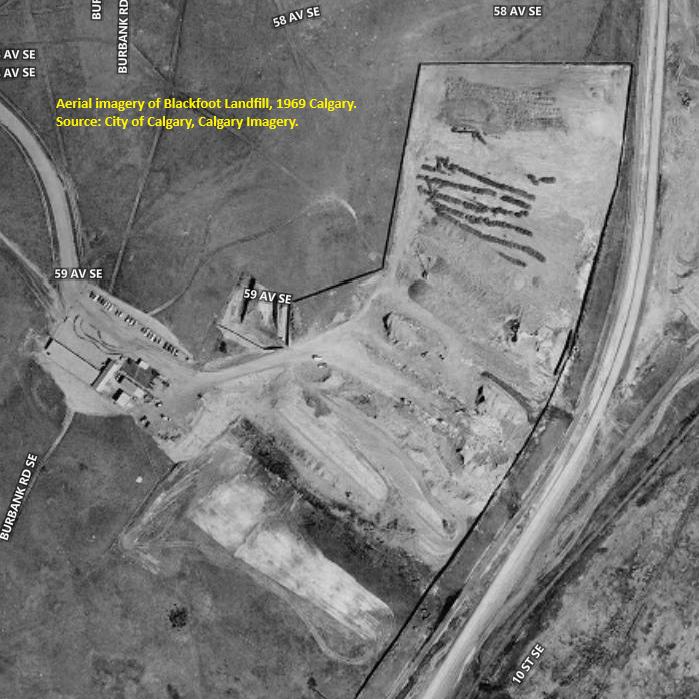
Located in southeast Calgary, Blackfoot Landfill operated from 1968 to 1972 before closing and eventually becoming a public green space. Although the landfill is no longer active, waste buried more than 50 years ago can still produce methane as organic materials break down underground.
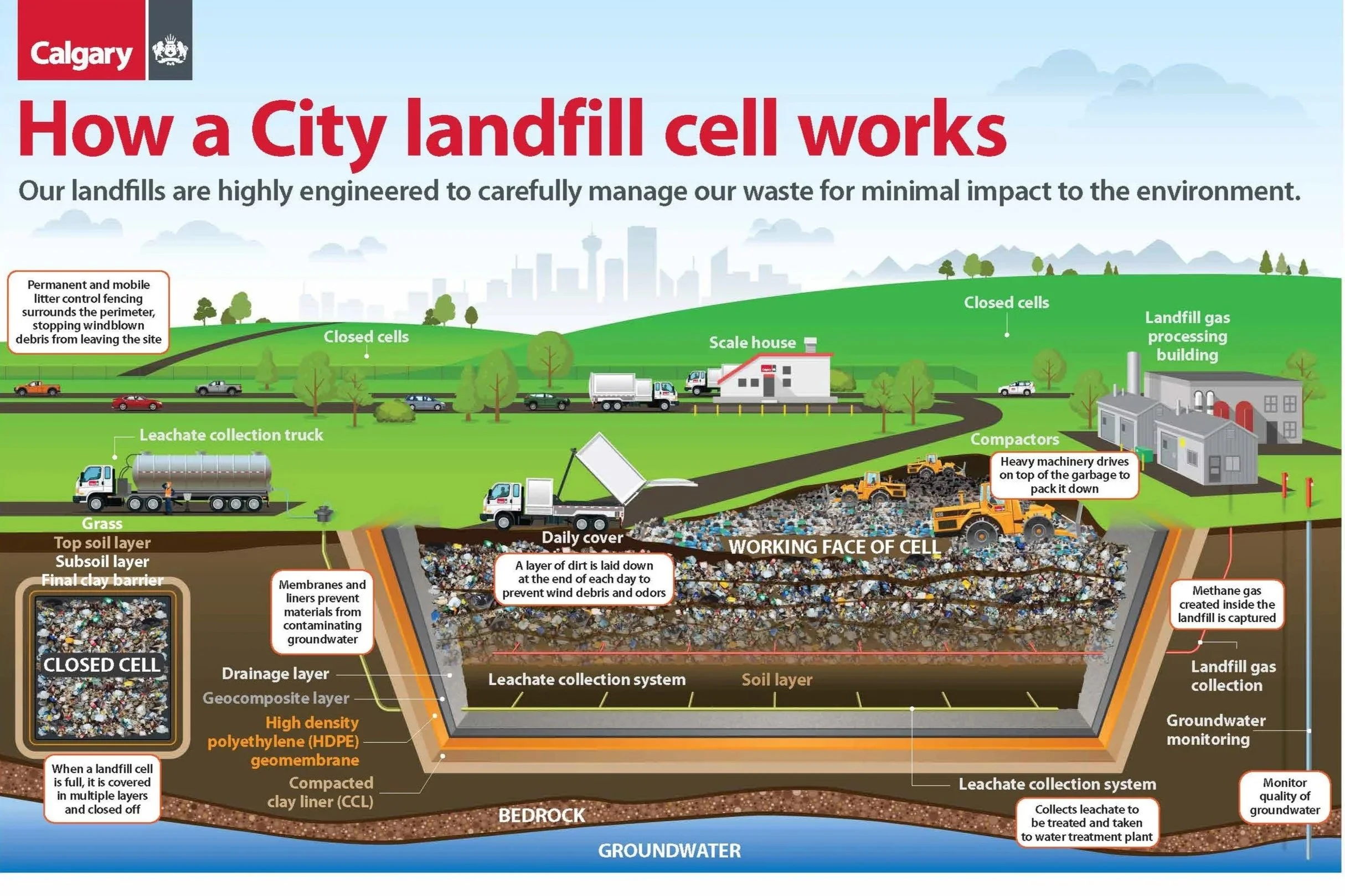
Today, the site is covered with layers of soil designed to contain buried waste and limit gas emissions. However, methane can still escape through the ground, particularly where the landfill cover is less effective.
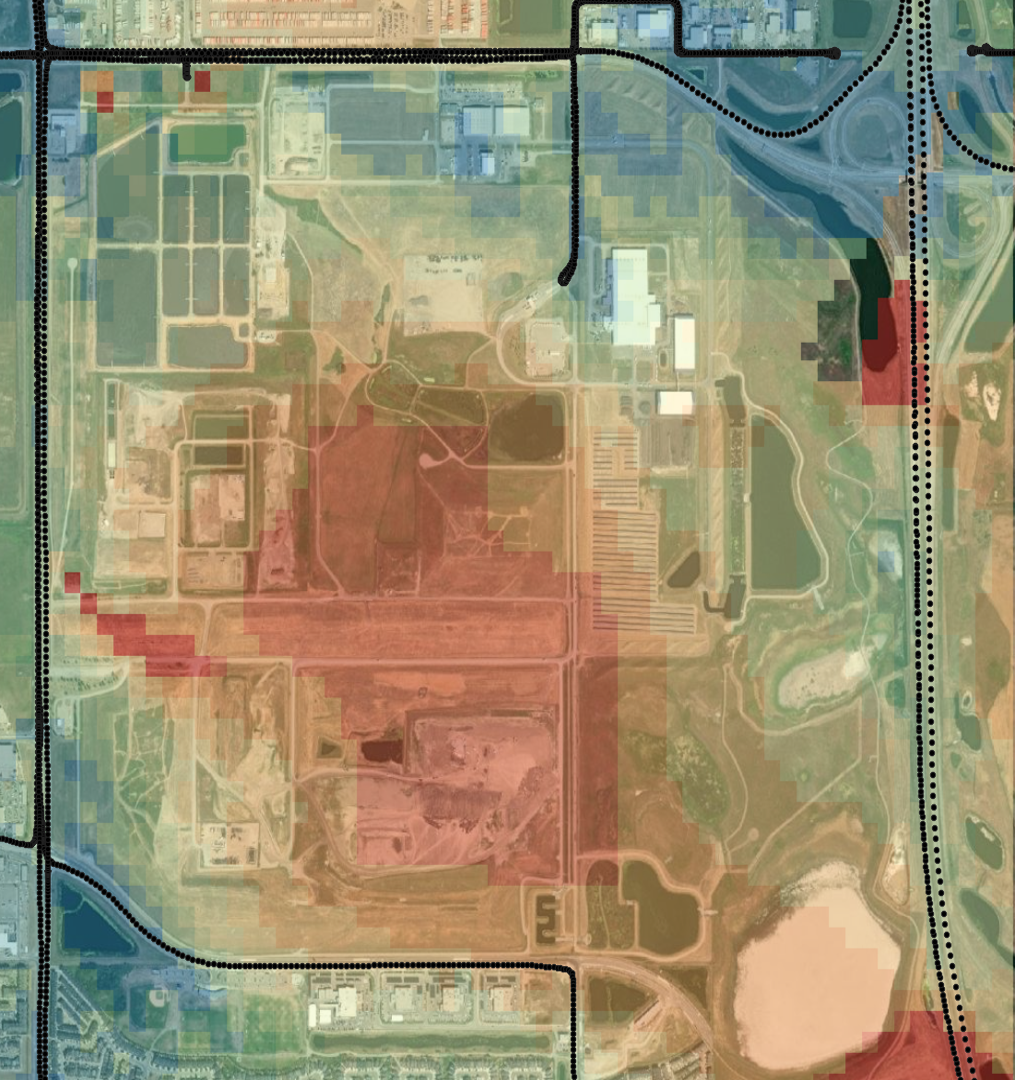
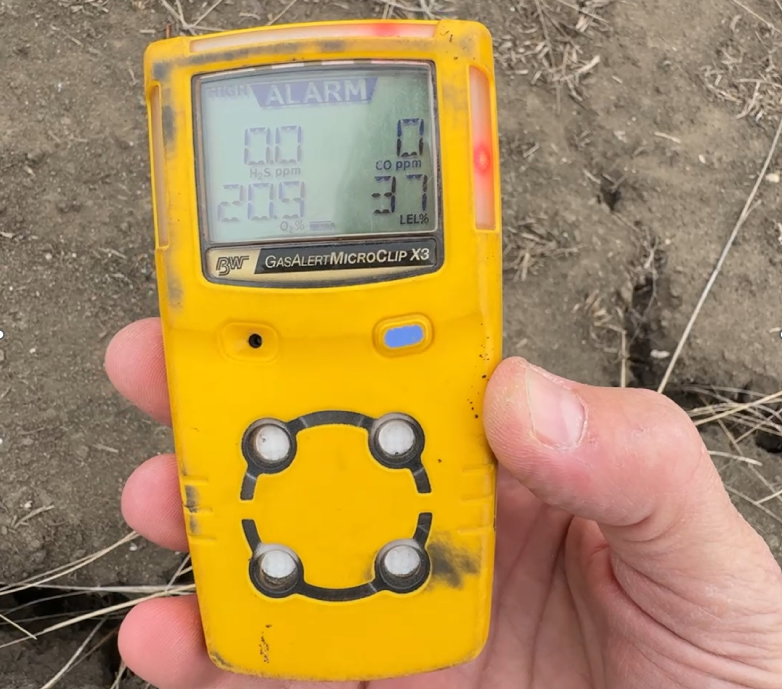
As part of CURMET, our researchers measure methane concentrations at the ground surface and use specialized chambers to measure how quickly methane is being released into the atmosphere. By comparing these measurements, we are investigating whether surface methane concentrations can help identify areas with higher emissions.
This research helps us understand how much methane closed landfills continue to release, how effectively we can detect these emissions, and how they should be represented in Calgary's methane inventory. The findings may also help improve monitoring practices and inform decisions about managing emissions from closed landfills.
Project lead Michelle Clements
Publications
Clements, M., Vollrath, C., Wearmouth, C., Hugenholtz, C.H., Xing, Z., Barchyn, T.E. 2023. 2023 Blackfoot Landfill Surface Methane Concentration Survey, Calgary, Alberta, Canada. https://doi.org/10.7910/DVN/QJUTZO.
Historical Documents
Daniel, C. R., Sobkowicz, J., Gorling, D., Wyton, S., & Manion, L. (2003, May). Remediating the inactive Blackfoot landfill. In Proceedings of the 17th Annual Vancouver Geotechnical Society Symposium: Geotechnical Engineering for Geoenvironmental Applications, Vancouver, BC, Canada.
How we measure landfills